
The Worst Flour Crisis Pakistan Has Ever Seen: Causes, Effects, and Solutions
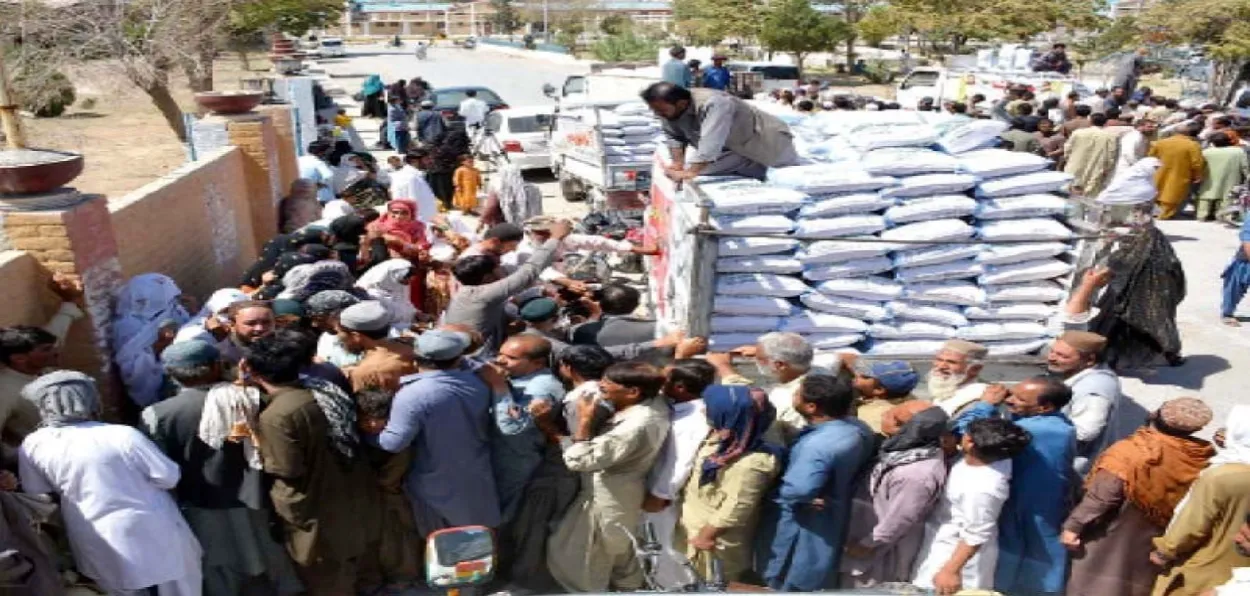
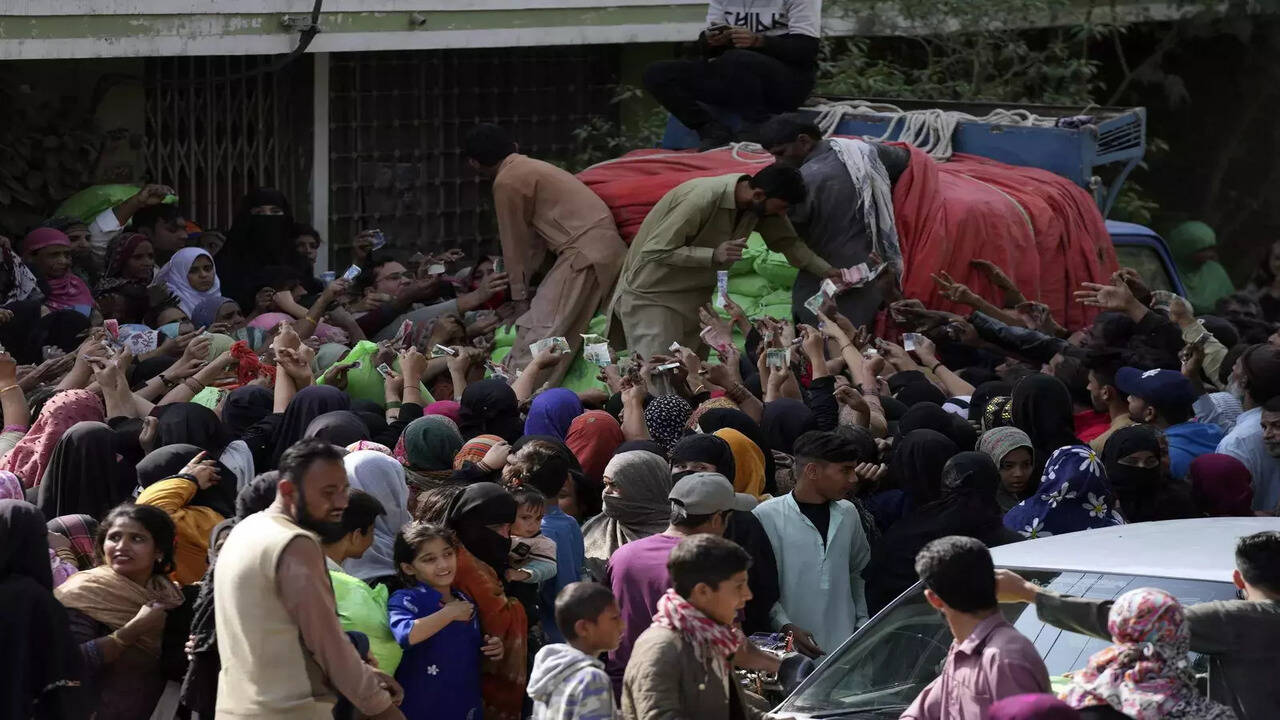
The current flour crisis in Pakistan is one of the most severe in the country's history. The crisis has resulted in a significant increase in flour prices, which has affected the livelihoods of millions of Pakistanis. In this article, we will discuss the causes of the flour crisis, its effects, and possible solutions.
Causes of the Flour Crisis:
The flour crisis has
been caused by a combination of factors, including poor management by the
government, low production, hoarding, and smuggling. The following are some of
the main causes of the flour crisis in Pakistan:
1. Poor Management by the
Government:
One of the primary
reasons for the flour crisis in Pakistan is the poor management by the
government. The government has failed to regulate the prices of wheat and flour
adequately. As a result, the prices of wheat and flour have increased
significantly, making it difficult for the common man to afford them.
2. Low Production:
Another reason for the
flour crisis in Pakistan is the low production of wheat. The production of
wheat has been affected by climate change, pests, and diseases. In addition,
the government has not provided adequate support to farmers, which has also affected
the production of wheat.
3. Hoarding:
Hoarding is another
significant cause of the flour crisis in Pakistan. Traders and middlemen have
hoarded wheat and flour, which has caused a shortage of these essential
commodities in the market.
4. 
Smuggling:
Smuggling is also a
significant cause of the flour crisis in Pakistan. Wheat and flour are smuggled
to neighboring countries, which has caused a shortage of these commodities in
the local market.
AD
Effects of the Flour Crisis:
The flour crisis has
had severe effects on the people of Pakistan. The following are some of the
most significant effects of the flour crisis:
1. Increase in Flour
Prices:
The most significant
effect of the flour crisis is the increase in flour prices. The prices of flour
have increased significantly, making it difficult for the common man to afford
this essential commodity.
2. Food Insecurity:
The flour crisis has
also caused food insecurity in Pakistan. Many people cannot afford to buy
flour, which has resulted in malnutrition and hunger.
3. Unemployment:
The flour crisis has
also led to unemployment in the country. Many small businesses that depend on
flour have been forced to shut down due to the high prices of flour.
4. Political Unrest:
The flour crisis has
also caused political unrest in Pakistan. The government's failure to address
the issue has resulted in protests and demonstrations across the country.
Solutions to the Flour Crisis:
To address the flour
crisis in Pakistan, the following measures can be taken:
1. Government Regulation:
The government should
regulate the prices of wheat and flour to ensure that they are affordable for
the common man.
2. Increase in
Production:
The government should
provide support to farmers to increase the production of wheat. This can be
achieved by providing subsidies, better seeds, and modern farming techniques.
3. Crackdown on Hoarding:
The government should
take strict action against hoarders and middlemen who are hoarding wheat and
flour. This can be done by imposing heavy fines and imprisonment.
4. Border Control:
The government should
increase border control to prevent the smuggling of wheat and flour to
neighboring countries.
FAQs:
1. What is causing the
flour crisis in Pakistan?
The flour crisis in
Pakistan is caused by poor government management, low production, hoarding, and
smuggling.
2. How has the flour
crisis affected the people of Pakistan?
The flour crisis has
caused an increase in flour prices, food insecurity, unemployment, and
political unrest in Pakistan.
3. What can be done to
address the flour crisis in Pakistan?
To address the flour crisis, the government should regulate the
prices of wheat and

0 Comments